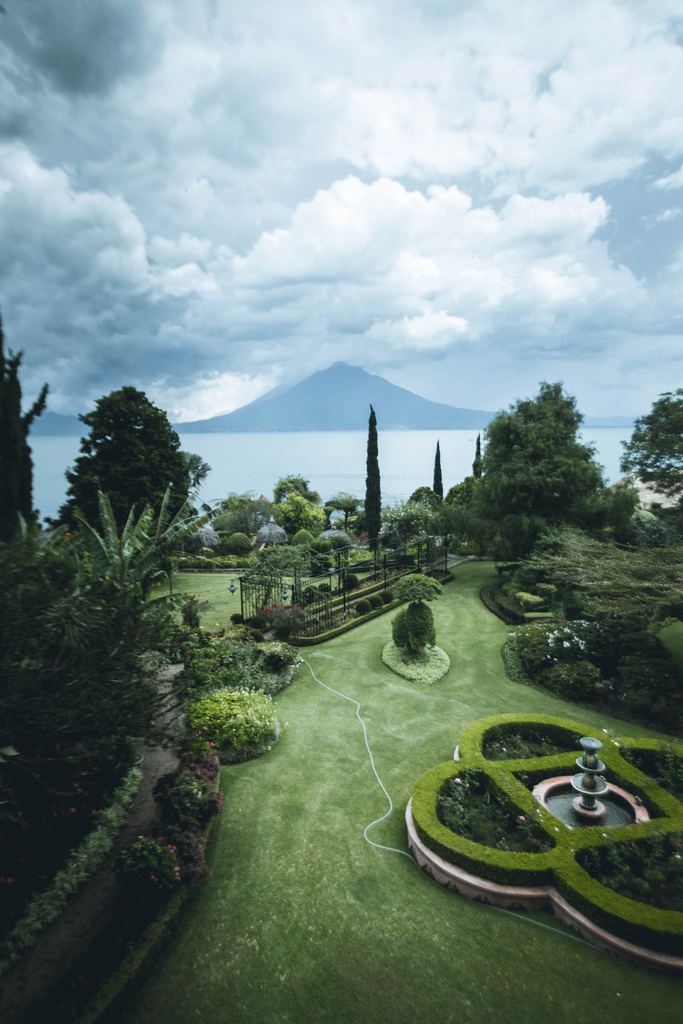
Introduction:
When designing your outdoor space, selecting the right landscaping elements is crucial to create a beautiful, functional, and low-maintenance environment. One of the key decisions you’ll face is choosing between natural grass, artificial turf, or rock/sand for your landscaping. Each option comes with its own set of benefits and considerations. In this blog post, we’ll explore the pros and cons of these landscaping choices to help you make an informed decision that suits your preferences, lifestyle, and sustainability goals.
Natural Grass:
Natural grass has long been the traditional choice for landscaping. Here are some key points to consider when deciding whether natural grass is the right fit for your outdoor space:
1. Aesthetic Appeal: Natural grass provides a lush and vibrant look, enhancing the visual appeal of your landscape. It creates a soft and inviting surface for activities and relaxation.
2. Cooling Effect: Natural grass has a cooling effect on the environment, making it a comfortable choice for outdoor activities during hot seasons. It helps reduce the ambient temperature around your home.
3. Environmental Benefits: Natural grass contributes to a healthier environment by absorbing carbon dioxide and releasing oxygen. It helps filter rainwater, reducing runoff and erosion.
4. Maintenance Requirements: Natural grass requires regular maintenance, including watering, mowing, fertilizing, and pest control. It demands time, effort, and resources to keep it healthy and attractive.
Artificial Turf:
Artificial turf has gained popularity as a low-maintenance and water-saving alternative to natural grass. Here are some factors to consider when contemplating artificial turf for your landscaping:
1. Low Maintenance: Artificial turf eliminates the need for mowing, watering, and fertilizing. It retains its vibrant color and doesn’t require regular upkeep.
2. Durability: Artificial turf is highly durable and can withstand heavy foot traffic, making it an ideal choice for high-use areas. It maintains its appearance even in adverse weather conditions.
3. Water Conservation: Artificial turf eliminates the need for watering, reducing water consumption and helping conserve this valuable resource.
4. Long-Term Investment: While the initial installation cost of artificial turf may be higher, it can be considered a long-term investment due to its durability and reduced maintenance expenses over time.
Rock/Sand:
Rock and sand landscaping offers a unique and low-maintenance option for your outdoor space. Consider the following aspects when considering rock or sand for your landscaping:
1. Low Maintenance: Rock and sand require minimal maintenance, as they don’t need mowing, watering, or fertilizing. They offer a low-maintenance solution for busy homeowners.
2. Drought Tolerance: Rock and sand are highly drought-tolerant options, requiring no water to maintain their appearance. They can be particularly suitable for arid climates.
3. Drainage: Rock and sand provide excellent drainage, preventing water pooling and reducing the risk of water-related issues in your outdoor space.
4. Heat Absorption: It’s important to note that rock and sand can absorb and retain heat, potentially creating a warmer environment during hot weather.
Consider Your Preferences and Needs:
When choosing between natural grass, artificial turf, or rock/sand landscaping, it’s crucial to consider your personal preferences and needs:
1. Usage: Evaluate how you plan to use your outdoor space. If you have children or pets who enjoy playing on grass, natural grass or artificial turf may be a better fit. If you prioritize low maintenance or have limited water availability, artificial turf or rock/sand may be more suitable.
2. Sustainability: Consider your sustainability goals. If water conservation and reduced environmental impact are important to you, artificial turf or rock/sand may align better with these objectives.
3. Aesthetics: Think about the overall look and feel you want to achieve. Natural grass offers a classic, lush appearance, while artificial turf can provide a consistently manicured look. Rock and sand landscaping offer a more modern and minimalist aesthetic.
4. Climate: Assess the climate in your area. Natural grass may be a suitable choice in regions with ample rainfall, while artificial turf or rock/sand can be more practical in dry or arid climates.
Conclusion:
Choosing the right landscaping option for your outdoor space requires careful consideration of various factors. Natural grass provides a classic and vibrant look but demands regular maintenance. Artificial turf offers low maintenance and water conservation benefits but may lack the natural feel. Rock and sand landscaping offer a low-maintenance and drought-tolerant alternative but may have heat retention concerns. Assess your preferences, lifestyle, maintenance capabilities, environmental impact, and climate to make an informed decision. Remember, selecting the perfect landscaping option will contribute to a beautiful and functional outdoor space that enhances your overall enjoyment of your home.