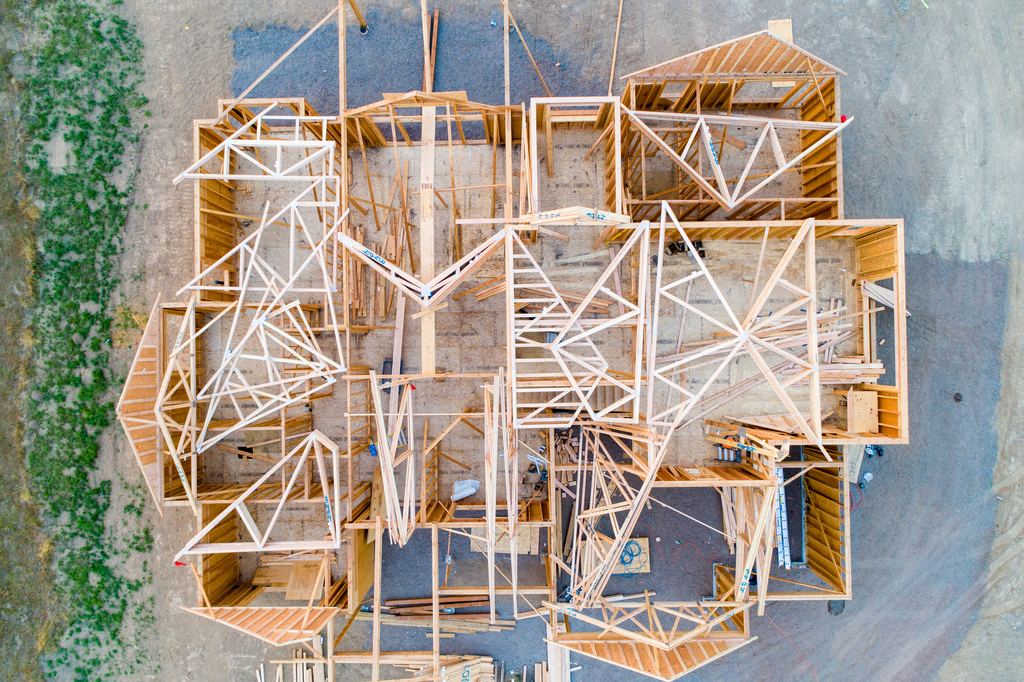
Are you dreaming of building your own home from the ground up? Or perhaps you’re in the midst of the exciting journey of new home construction. Look no further! Our blog is your ultimate resource for all things related to new home construction. From design inspiration and choosing the right contractors to maintaining your dream home, we’ve got you covered.
Discover the Art of New Home Construction:
Embark on a journey of imagination and creativity as we explore the art of new home construction. Dive into the latest trends in architectural design, innovative building materials, and eco-friendly construction practices. Uncover expert tips and insights that will guide you through each stage of the construction process, from creating a solid foundation to adding the finishing touches that make your home uniquely yours.
Choosing the Right Contractors:
Building your dream home requires a team of skilled professionals. We’ll guide you through the process of selecting the right contractors, architects, and designers who align with your vision and bring expertise to the table. Learn how to evaluate their portfolios, check references, and communicate effectively to ensure a smooth and successful construction experience. We will discuss small things that you can include in the new build ranging from green solar energy to energy conservation utilizing spray foam insulation. Discover the benefits of working with licensed and insured professionals who prioritize quality craftsmanship and attention to detail.
Creating Outdoor Oasis with Landscaping:
Enhancing your new home’s curb appeal and creating an inviting outdoor space is an essential part of the construction process. Explore the world of landscaping, from selecting the right plants and trees to designing hardscapes and concrete slab walkways and outdoor living areas. Our experts will provide tips on maximizing your outdoor space’s potential, creating a harmonious connection between your home and its surroundings.
Maintenance and Upkeep:
Once your dream home is complete, it’s important to prioritize its maintenance and upkeep. Learn the essential tasks and schedules to keep your home in optimal condition, from regular inspections to seasonal maintenance routines. Discover the benefits of proactive maintenance, including cost savings and preserving the value of your investment. We’ll also provide guidance on finding reputable contractors for repairs and renovations when the need arises.
Building Your Dreams, One Home at a Time:
At “Building Dreams,” we believe that every home has a unique story to tell. Whether you’re a homeowner embarking on the construction journey or an aspiring homeowner dreaming of building your own haven, we’re here to inspire, educate, and support you along the way. From design inspiration and choosing the right contractors to maintaining your home’s beauty and functionality, our blog is your trusted companion in making your dreams a reality.
Join Our Community:
Connect with a thriving community of fellow homeowners, construction professionals, and design enthusiasts who share your passion for new home construction. Engage in discussions, share your experiences, and gain valuable insights from others who have gone through or are currently going through the construction process. Our community is a place to find inspiration, ask questions, and celebrate the joys and challenges of building your dream home.
Start Building Your Dreams:
Are you ready to embark on the exciting journey of new home construction? Let “Building Dreams” be your guide. Explore our articles, project showcases, and expert advice to gather the inspiration and knowledge you need to make informed decisions and create a home that reflects your unique style and aspirations. Together, let’s build dreams, one home at a time.
- Building Better Homes: The Benefits and Applications of Foam Insulation in Home Construction
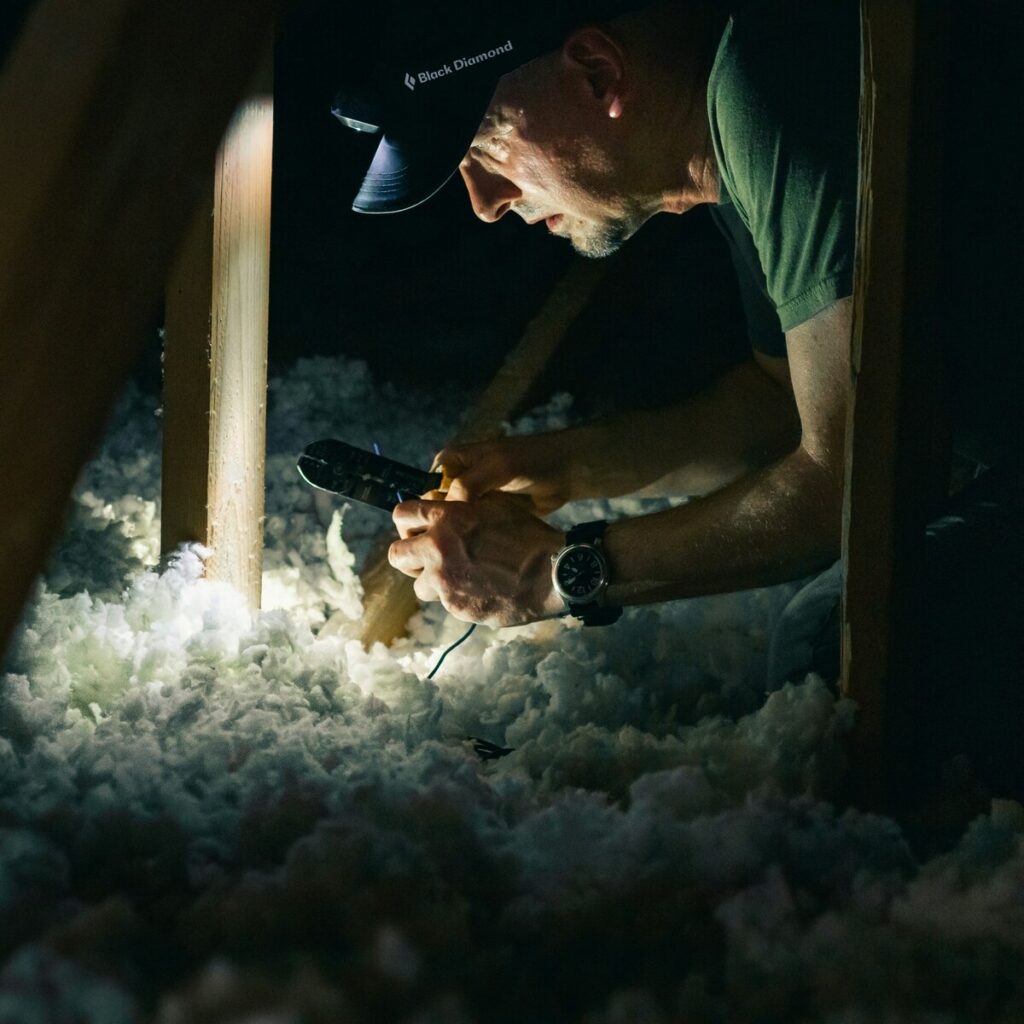
In the realm of home construction, the quest for energy efficiency, comfort, and sustainability drives continuous innovation. One such innovation that has significantly impacted the industry is foam insulation. Known for its superior insulating properties, foam insulation is increasingly being used in residential construction to enhance energy efficiency, reduce utility costs, and improve indoor comfort. This blog post explores the benefits of foam insulation, its various applications in home construction, and practical tips for homeowners and builders considering this modern insulation solution.
Understanding Foam Insulation
Foam insulation is a type of insulation material made from polyurethane or other types of foam that expands and hardens after application. It is available in two main forms: spray foam insulation and rigid foam board insulation. Each type has its unique properties and applications, making them suitable for different areas of home construction.
Spray Foam Insulation
Spray foam insulation is applied as a liquid that expands into a foam, filling gaps and creating an airtight seal. It is ideal for hard-to-reach areas and provides excellent thermal insulation and air sealing capabilities. Spray foam insulation is available in two varieties: open-cell and closed-cell.
Open-Cell Spray Foam: Open-cell spray foam is less dense, making it more flexible and better at soundproofing. It is suitable for interior applications where moisture resistance is not a primary concern.
Closed-Cell Spray Foam: Closed-cell spray foam is denser and provides a higher R-value (a measure of thermal resistance). It is more rigid and resistant to moisture, making it suitable for both interior and exterior applications, including areas prone to high humidity.
Rigid Foam Board Insulation
Rigid foam board insulation consists of pre-formed boards made from foam materials such as polystyrene, polyisocyanurate, or polyurethane. These boards offer high insulating values and are typically used in walls, roofs, and foundations.
Example: Rigid foam boards can be installed on the exterior of a home’s frame to create a continuous insulation layer, reducing thermal bridging and enhancing overall energy efficiency.
The Benefits of Foam Insulation
Foam insulation offers several advantages that make it a preferred choice for modern home construction:
Superior Insulation and Energy Efficiency
Foam insulation provides a higher R-value per inch compared to traditional insulation materials like fiberglass or cellulose. This superior insulating ability helps maintain consistent indoor temperatures, reducing the need for heating and cooling and lowering energy bills.
Example: A home insulated with spray foam can achieve significant energy savings, reducing heating and cooling costs by up to 50%.
Air Sealing and Moisture Control
One of the key benefits of spray foam insulation is its ability to create an airtight seal. By filling gaps and cracks, spray foam prevents air leakage, which can account for a significant portion of a home’s energy loss. Additionally, closed-cell spray foam acts as a moisture barrier, protecting against water infiltration and reducing the risk of mold and mildew growth.
Example: In a coastal home, closed-cell spray foam can be used to insulate the walls and roof, providing both thermal insulation and moisture protection from humid, salty air.
Soundproofing
Open-cell spray foam is effective at soundproofing due to its ability to dampen sound waves. This makes it an excellent choice for interior walls and ceilings in homes where noise reduction is a priority.
Example: Homeowners living near busy roads or in multi-family buildings can benefit from the soundproofing properties of open-cell spray foam, creating a quieter indoor environment.
Structural Strength
Closed-cell spray foam insulation can enhance the structural strength of a home. Its rigidity adds to the overall stability of walls and roofs, making buildings more resistant to wind and other forces.
Example: In hurricane-prone areas, using closed-cell spray foam can add an extra layer of protection, helping homes withstand strong winds and debris.
Applications of Foam Insulation in Home Construction
Foam insulation can be used in various parts of a home to improve energy efficiency, comfort, and durability. Here are some common applications:
Walls
Both spray foam and rigid foam board insulation can be used in walls to create a well-insulated and airtight building envelope. Spray foam is particularly effective in sealing gaps and cracks, while rigid foam boards provide continuous insulation and reduce thermal bridging.
Example: Installing spray foam insulation in the walls of a newly constructed home can significantly reduce air leakage and improve energy efficiency.
Roofs and Attics
Insulating the roof and attic with foam insulation helps maintain consistent temperatures throughout the home and prevents heat loss during winter and heat gain during summer. Spray foam insulation can be applied directly to the underside of the roof deck, creating an airtight seal and improving energy efficiency.
Example: An attic insulated with spray foam will prevent warm air from escaping during the winter and keep the home cooler in the summer, reducing the load on HVAC systems.
Basements and Crawl Spaces
Foam insulation is ideal for basements and crawl spaces due to its moisture resistance and ability to create an airtight seal. Closed-cell spray foam is particularly effective in these areas, preventing moisture infiltration and reducing the risk of mold growth.
Example: Insulating the walls and floors of a basement with closed-cell spray foam can create a dry, comfortable living space that is protected from moisture and energy-efficient.
Exterior Applications
Rigid foam board insulation can be installed on the exterior of a home’s frame to create a continuous insulation layer. This method reduces thermal bridging and enhances the overall energy efficiency of the building.
Example: A home with rigid foam board insulation installed on the exterior walls will have improved energy performance and reduced heat loss, leading to lower utility bills.
Practical Tips for Homeowners and Builders
When considering foam insulation for home construction, it’s important to follow best practices to achieve the best results:
Choose the Right Type of Foam
Select the appropriate type of foam insulation based on the specific needs of the project. Open-cell spray foam is ideal for interior applications and soundproofing, while closed-cell spray foam and rigid foam boards are better suited for areas requiring high R-values and moisture resistance.
Tip: Consult with a professional insulation contractor to determine the best type of foam insulation for your home.
Ensure Proper Installation
Proper installation is crucial for maximizing the benefits of foam insulation. Hire experienced and certified installers who understand the intricacies of applying spray foam and installing rigid foam boards.
Tip: Request references and check reviews to find reputable insulation contractors with a track record of quality work.
Consider Building Codes and Regulations
Ensure that the foam insulation products and installation methods comply with local building codes and regulations. This is important for both safety and energy efficiency.
Tip: Work with contractors who are familiar with local building codes and can ensure compliance throughout the project.
Plan for Ventilation
While foam insulation creates an airtight seal, proper ventilation is still necessary to maintain indoor air quality. Plan for adequate ventilation systems to prevent issues related to air quality and moisture.
Tip: Consider installing mechanical ventilation systems, such as heat recovery ventilators (HRVs), to ensure a healthy indoor environment.
Conclusion
Foam insulation is a powerful tool in modern home construction, offering superior energy efficiency, moisture control, soundproofing, and structural strength. Whether used in walls, roofs, basements, or exterior applications, foam insulation provides long-lasting benefits that enhance the comfort, durability, and value of homes. By understanding the different types of foam insulation and following best practices for installation, homeowners and builders can create energy-efficient, comfortable, and sustainable living spaces. As the demand for greener and more efficient homes continues to grow, foam insulation will play a crucial role in shaping the future of residential construction.
- Reinventing the Skyline: The Role of Concrete in New Construction
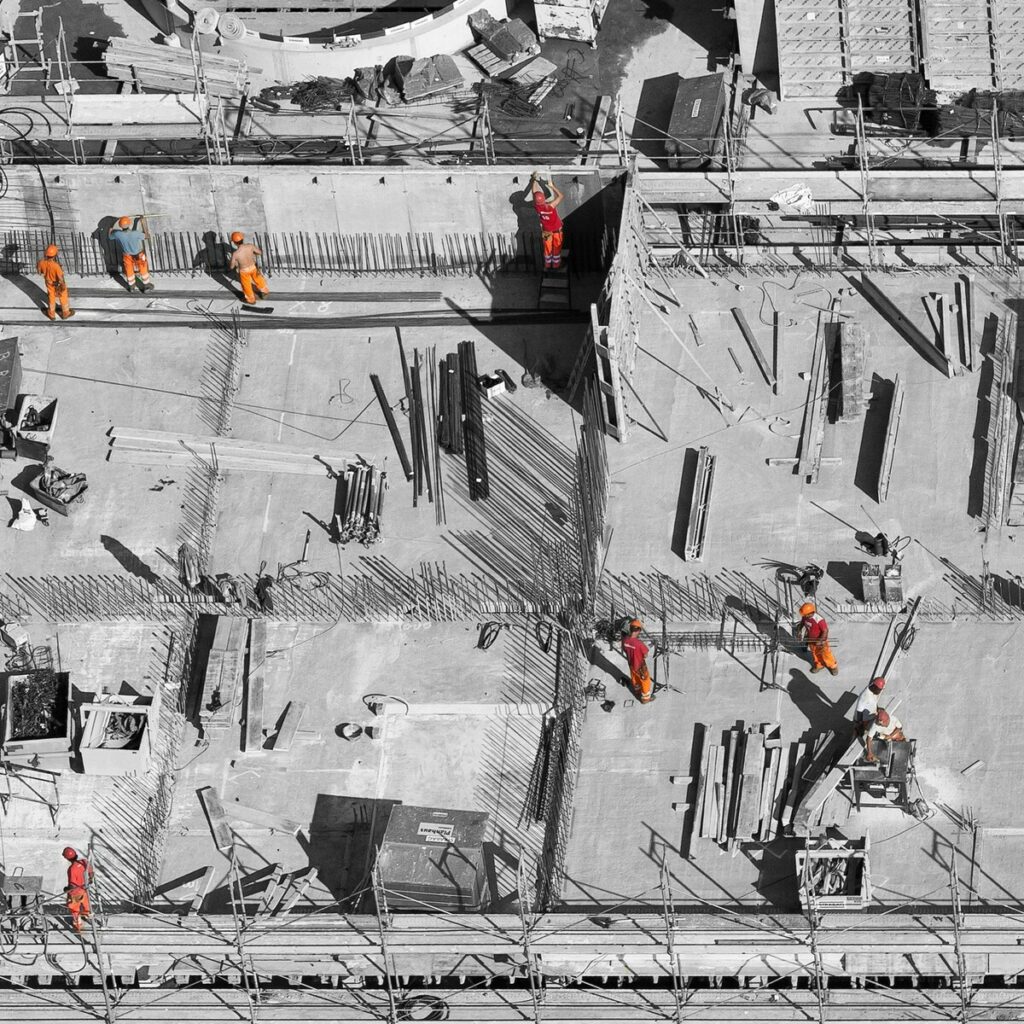
In the ever-evolving world of construction, concrete remains a cornerstone material, instrumental in shaping modern skylines and infrastructure. Its unparalleled strength, durability, and versatility make it an ideal choice for new construction projects, from towering skyscrapers to residential homes and innovative public spaces. This blog post explores the critical role of concrete in new construction, examining its benefits, applications, and the cutting-edge technologies that are pushing the boundaries of what’s possible.
The Enduring Appeal of Concrete
Concrete has been a preferred building material for centuries, and its appeal shows no signs of waning. Several key attributes contribute to its continued popularity in new construction.
Strength and Durability
Concrete’s compressive strength and durability are unmatched, providing the foundational support needed for large-scale structures and high-traffic areas. Its ability to withstand natural disasters, such as earthquakes and hurricanes, makes it a reliable choice for buildings in various geographical locations.
Versatility
Concrete can be molded into virtually any shape, allowing for a wide range of architectural designs and innovations. From complex geometric patterns to sleek, minimalist forms, concrete’s versatility supports diverse aesthetic and functional requirements.
Sustainability
Concrete is increasingly recognized for its potential in sustainable construction. Innovations in concrete production, such as incorporating recycled materials and reducing carbon emissions, have made it a more environmentally friendly option. Additionally, concrete’s thermal mass properties contribute to energy efficiency, helping to regulate indoor temperatures and reduce reliance on heating and cooling systems.
Applications of Concrete in New Construction
Concrete’s adaptability and strength make it suitable for a variety of construction applications, each benefiting from the material’s unique properties.
Skyscrapers and High-Rise Buildings
Concrete’s strength and fire resistance make it an ideal material for skyscrapers and high-rise buildings. Modern high-strength concrete can support the immense loads of tall structures while providing stability against wind and seismic activity. The use of reinforced concrete cores and shear walls enhances the overall safety and durability of these buildings.
Residential Construction
Concrete is also widely used in residential construction, offering benefits such as durability, low maintenance, and energy efficiency. Concrete homes can withstand extreme weather conditions and provide excellent insulation, contributing to lower energy bills and a comfortable living environment. Additionally, the use of insulated concrete forms (ICFs) has become popular for building energy-efficient homes.
Infrastructure Projects
Concrete is the material of choice for infrastructure projects such as bridges, tunnels, highways, and dams. Its durability and load-bearing capacity ensure the longevity and safety of these critical structures. Precast concrete elements, which are manufactured off-site and assembled on-site, offer precision and efficiency in construction, reducing time and labor costs.
Public Spaces and Urban Design
In urban design, concrete is used to create public spaces such as parks, plazas, and recreational facilities. Its versatility allows for creative design solutions that enhance the aesthetic appeal and functionality of these areas. Concrete’s ability to be colored, textured, and polished provides endless possibilities for unique and inviting public spaces.
Innovations in Concrete Technology
The construction industry is continually evolving, with new technologies and methods enhancing the capabilities of concrete and expanding its applications.
High-Performance Concrete
High-performance concrete (HPC) is designed to meet specific performance criteria, such as high strength, durability, and reduced permeability. HPC is used in projects where traditional concrete would not suffice, such as in structures exposed to harsh environmental conditions or those requiring long spans without supports. The development of HPC has opened new possibilities for innovative and ambitious construction projects.
Self-Healing Concrete
One of the most exciting advancements in concrete technology is self-healing concrete. This innovative material contains microcapsules of healing agents that are released when cracks form, automatically repairing minor damages. Self-healing concrete can significantly extend the lifespan of structures, reduce maintenance costs, and enhance safety.
3D Printing with Concrete
3D printing technology is revolutionizing the construction industry, allowing for the creation of complex and customized concrete structures with precision and efficiency. 3D-printed concrete can be used to produce everything from building components to entire homes, reducing waste and construction time. This technology also enables architects and engineers to explore new design possibilities that were previously unattainable with traditional methods.
Sustainable Concrete Solutions
The push for sustainability has led to the development of green concrete, which incorporates recycled materials such as fly ash, slag, and recycled aggregates. Additionally, carbon capture and storage (CCS) technologies are being integrated into concrete production to reduce carbon emissions. These sustainable solutions make concrete a more environmentally friendly choice, aligning with global efforts to reduce the construction industry’s carbon footprint.
The Future of Concrete in New Construction
As the construction industry continues to innovate, the future of concrete looks promising. Several trends and advancements are shaping the way concrete will be used in new construction projects.
Smart Concrete
Smart concrete incorporates sensors and other technologies to monitor the structural health of buildings in real-time. These embedded sensors can detect stress, strain, temperature changes, and other factors that affect the integrity of the structure. The data collected can be used to perform maintenance proactively, ensuring the longevity and safety of the building.
Modular and Prefabricated Construction
The demand for faster and more efficient construction methods is driving the growth of modular and prefabricated construction. Concrete modules are manufactured off-site and assembled on-site, reducing construction time and labor costs. This approach also minimizes disruptions in urban areas and enhances construction quality through controlled manufacturing environments.
Urbanization and High-Density Living
As urban populations continue to grow, the demand for high-density living solutions is increasing. Concrete construction is well-suited to meet this demand, providing the strength and versatility needed for tall, multi-functional buildings that maximize space and resources in urban environments.
Conclusion
Concrete construction remains at the forefront of the construction industry, offering unparalleled benefits in terms of strength, durability, versatility, and sustainability. From towering skyscrapers to innovative public spaces, concrete continues to shape the modern skyline and infrastructure. With ongoing advancements in concrete technology and a focus on sustainability, the future of concrete in new construction is bright, promising even more innovative and efficient building solutions. As the industry evolves, concrete will undoubtedly remain a cornerstone of construction, supporting the development of resilient, energy-efficient, and aesthetically pleasing structures that meet the needs of a changing world.
- Constructing Your Dream: Navigating Through New Home Construction
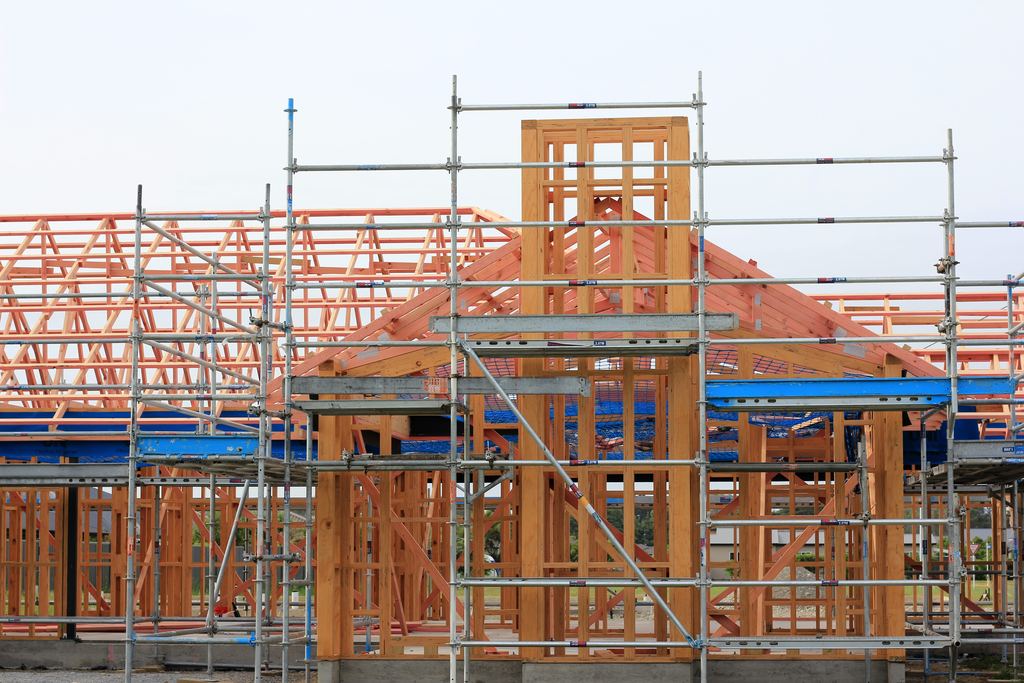
Introduction: Crafting Spaces, Building Dreams
New home construction is a journey of envisioning, planning, and creating spaces that resonate with dreams and practicalities alike. Whether choosing luxurious artificial turf for your yard or ensuring robust home exteriors, every decision carves out the aesthetics and functionality of your future abode. Let’s explore the myriad facets that shape the construction of a new home.
The Green Canvas: Landscaping Decisions in New Construction
The outdoor spaces of your home are a canvas awaiting vibrant strokes of design and functionality. Engaging in tree management practices, such as tree trimming, not only enhances the aesthetic appeal but also ensures safety and longevity of the surrounding nature. Complementing these with choices like artificial turf can merge the ease of maintenance with an evergreen outdoor visual appeal.
Safeguarding Your Spaces: Ensuring Durability Through Adequate Maintenance
While the visuals captivate and interiors enchant, the true longevity of your home is also governed by the unsung heroes like well-maintained gutters. Ensuring that facets such as gutter cleaning are integrated into the maintenance schedule preserves the integrity of your home, safeguarding it against water damage and enhancing the lifespan of your construction.
Strategic Planning: From Paper Dreams to Tangible Realities
New home construction pivots around an axis of thorough planning. From choosing the right materials to incorporating future-proof designs, and ensuring that each element, whether visible or foundational, is selected with foresight and understanding, your dream home gradually takes shape, promising a future of comfort, safety, and aesthetic delight.
Conclusion: A Home that Echoes with Dreams and Stands on Robust Realities
The journey from conceptualizing to realizing your new home is embroidered with decisions, from overt aesthetic choices to the subtle, underlying selections that promise durability and safety. Through strategic planning, apt choices in landscaping, and a commitment to periodic maintenance, your new home stands as a testament to your dreams, offering not just a dwelling but a space that resonates with stories, aspirations, and secure, serene living.
©2023 Home Building Narratives. All Rights Reserved.
- Peace of Mind: Ensuring a Pest-Free Living Experience in Your New Home

Moving into a new home can be an exciting journey filled with possibilities. However, the prospect of dealing with pests like rodents, insects, or termites can dampen this enthusiasm. To help you enjoy a serene living experience, we have compiled practical steps to ensure your new home stays pest-free.
Before Moving In: Pest Inspection
Before sealing the deal on your new home, it’s crucial to carry out a thorough pest inspection. A professional pest inspector can identify signs of infestations, such as droppings, gnaw marks, or termite damage. This early detection allows for remedial actions to be taken before moving in, ensuring your new home gets a fresh, pest-free start.
Step 1: Seal Points of Entry
Pests are experts at exploiting small gaps to gain access to your home. To thwart their efforts, conduct a thorough examination of your house’s exterior. Seal cracks in walls, gaps around doors and windows, and openings for utilities and pipes. By eliminating these potential points of entry, you can significantly reduce the chances of an infestation.
Step 2: Keep Your Home Clean
Most pests are attracted to food and shelter. By maintaining a clean home, you remove the incentives for pests to take up residence. Regularly take out the trash, avoid leaving dishes in the sink overnight, and store food in sealed containers. Additionally, regular vacuuming can eliminate pest eggs and reduce the chances of an infestation taking hold.
Step 3: Maintain Your Outdoor Spaces
Pests often set up camp outside before moving indoors. Regular yard maintenance can help disrupt their plans. Trim tree branches that touch your home to prevent pests from using them as a bridge inside. Keep firewood, a favorite nesting spot for many pests, at least 20 feet away from your home. Regularly clean gutters to prevent stagnant water, which can attract pests and provide breeding grounds for mosquitoes.
Step 4: Regular Pest Inspections
Even with the best preventive measures, it’s wise to schedule regular pest inspections. Professional pest controllers can spot the early signs of an infestation and address it before it becomes a significant problem. Regular inspections are particularly important for detecting termites, which can cause severe damage before they’re noticed.
Step 5: Prompt Action at Signs of Pests
If you spot signs of pests, such as droppings, nests, or damage to your property, it’s crucial to act quickly. The longer a pest population is allowed to grow, the harder it will be to eradicate. Depending on the pest, you might be able to handle it yourself or you may need to call in professionals.
Step 6: Educate Your Household
Educate everyone in your home about the importance of preventing pests. Simple actions, like cleaning up after meals, sealing trash bags, and closing doors and windows, can make a big difference. It’s also important for everyone to be vigilant for signs of pests and to report these signs immediately.
Conclusion
Ensuring a pest-free living experience in your new home involves preventive measures, regular inspections, and prompt action at the first signs of pests. By following these steps, you can minimize the chances of an infestation and ensure a peaceful, pest-free living experience. Remember, while dealing with pests can be a nuisance, it’s always easier to prevent an infestation than to deal with one that’s already established.
- Mastering Curb Appeal: How Landscaping Can Enhance Your Home’s Value
Introduction:
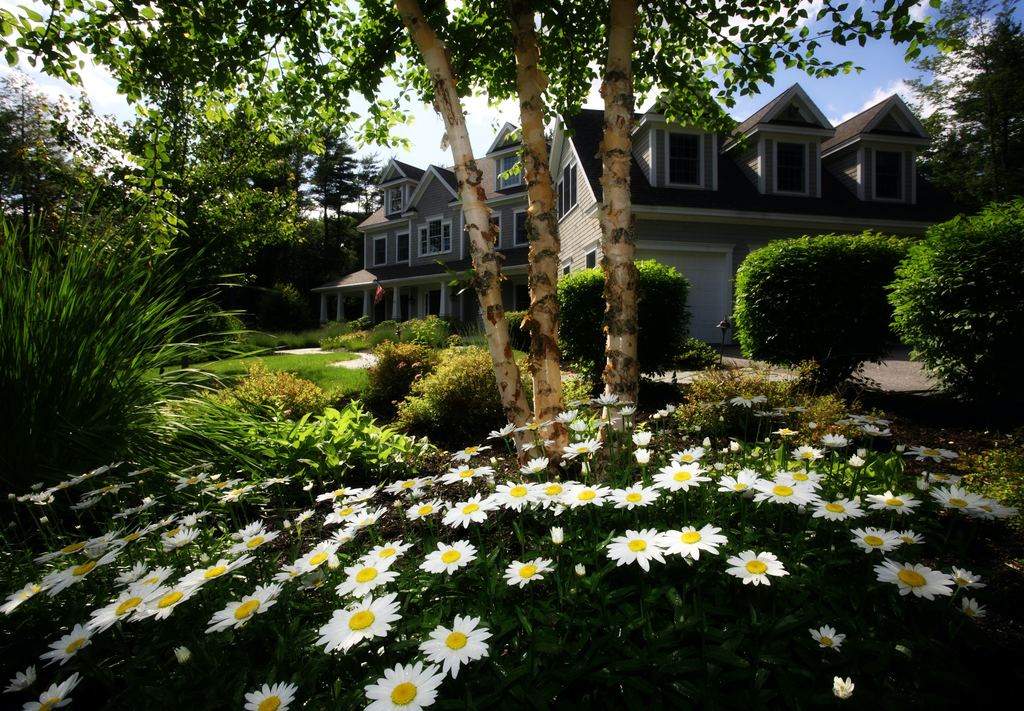
First impressions matter, and when it comes to your home, curb appeal plays a crucial role in capturing the attention of potential buyers and increasing property value. Landscaping is a powerful tool that can transform your home’s exterior, creating an inviting and visually appealing atmosphere. In this blog post, we will explore the importance of landscaping in enhancing your home’s value and provide tips on how to master curb appeal through strategic landscaping choices.
- Creating an Inviting Entrance:
The entrance of your home sets the tone for the rest of the property. Consider enhancing it with a well-designed pathway, flanked by vibrant flowers or neatly trimmed hedges. Install eye-catching yet functional elements like a well-maintained front door, stylish lighting fixtures, and an attractive mailbox. These elements create a warm and welcoming entrance that immediately catches the eye of visitors and potential buyers. - Lush and Healthy Lawns:
A lush, green lawn is a hallmark of a well-maintained property. Regular mowing, watering, and fertilizing are essential to keep your lawn healthy and vibrant. Address any brown spots or patches by reseeding or installing fresh sod. Trimming the edges of the lawn and removing weeds adds a finishing touch, giving the entire landscape a clean and polished look. - Thoughtful Plant Selection:
Strategic plant selection can greatly enhance your home’s curb appeal. Consider the overall style of your home and choose plants that complement its architecture. Incorporate a mix of shrubs, perennials, and seasonal flowers to create texture and variety. Pay attention to color schemes and select plants that harmonize with the surrounding landscape. Native plants are often a wise choice as they are well-adapted to the local climate and require less maintenance. - Outdoor Living Spaces:
Extend your living space to the outdoors by creating inviting outdoor areas. Add a patio or deck where residents and visitors can relax and enjoy the surroundings. Furnish the space with comfortable seating, outdoor rugs, and decorative elements. Incorporate features like a fire pit or an outdoor kitchen to add functionality and visual appeal. These outdoor living spaces provide additional entertainment areas and add value to your home. - Lighting and Accent Features:
Strategic lighting and accent features can transform your landscape during the evening hours and create an enchanting ambiance. Use outdoor lighting to highlight focal points such as trees, architectural features, or pathways. Install solar-powered lights for energy efficiency and ease of maintenance. Additionally, consider accent features like water fountains, statues, or decorative pots to add visual interest and personality to your landscape. - Sustainable Landscaping:
With a growing focus on sustainability, incorporating eco-friendly landscaping practices can add value to your home. Implement water-efficient irrigation systems, such as drip irrigation or smart sprinklers, to minimize water waste. Choose drought-tolerant plants and native species that require less water and maintenance. Incorporate composting and mulching practices to improve soil health and reduce the need for chemical fertilizers. - Regular Maintenance:
Consistent maintenance is key to ensuring your landscape remains vibrant and appealing. Regularly prune shrubs and trees, remove dead plants, and weed flower beds to maintain a neat and well-groomed appearance. Keep walkways and driveways clear of debris and power wash surfaces to remove dirt and stains. These routine maintenance tasks preserve the overall beauty of your landscape.
Conclusion:
Mastering curb appeal through strategic landscaping choices can significantly enhance your home’s value and leave a lasting impression on potential buyers. By creating an inviting entrance, maintaining a lush lawn, selecting thoughtful plants, incorporating outdoor living spaces, utilizing lighting and accent features, practicing sustainable landscaping, and prioritizing regular maintenance, you can transform your home’s exterior into a captivating and well-maintained oasis.
Investing in landscaping not only boosts your home’s value but also provides a sense of pride and enjoyment for you as a homeowner. So, take the time to plan and execute landscaping projects that suit your home’s style and your personal preferences. The results will be a beautiful and enticing landscape that welcomes and captivates all who visit your home.
- Creating an Inviting Entrance: