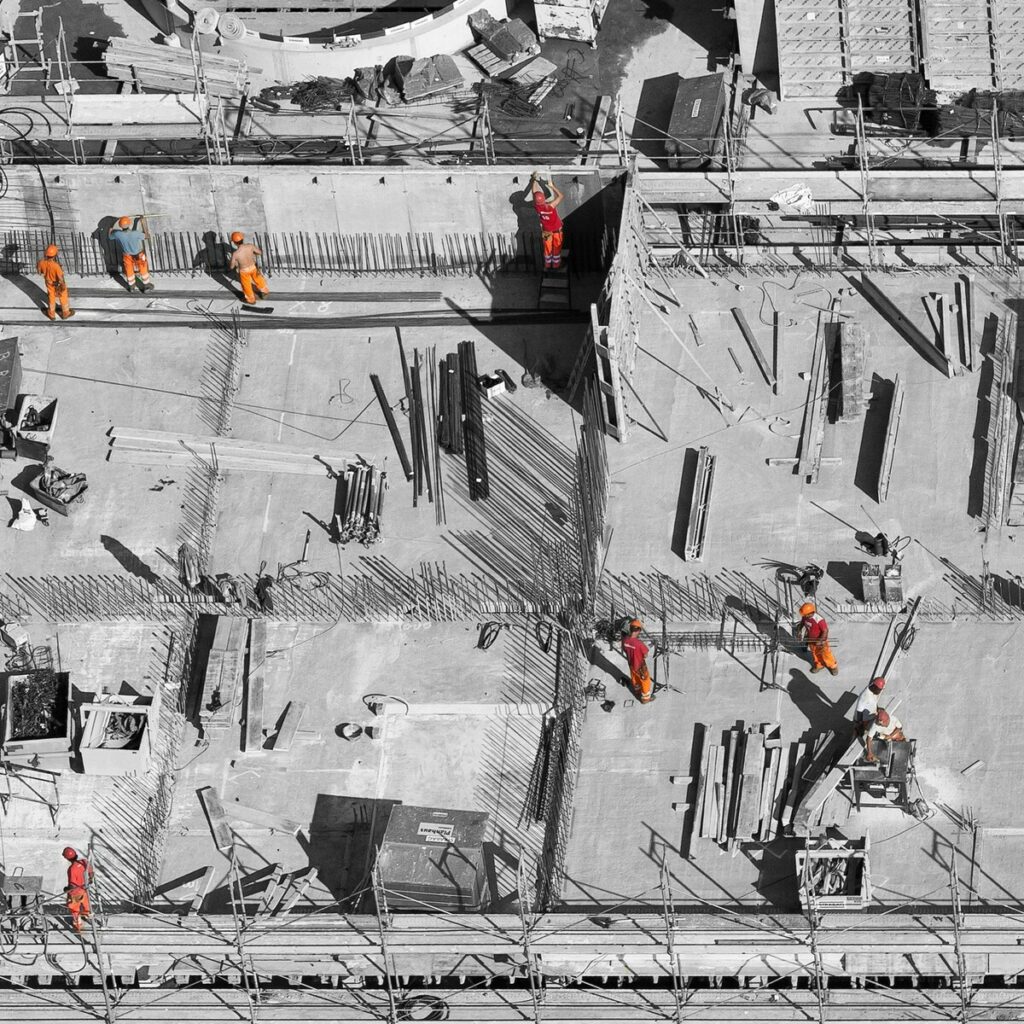
In the ever-evolving world of construction, concrete remains a cornerstone material, instrumental in shaping modern skylines and infrastructure. Its unparalleled strength, durability, and versatility make it an ideal choice for new construction projects, from towering skyscrapers to residential homes and innovative public spaces. This blog post explores the critical role of concrete in new construction, examining its benefits, applications, and the cutting-edge technologies that are pushing the boundaries of what’s possible.
The Enduring Appeal of Concrete
Concrete has been a preferred building material for centuries, and its appeal shows no signs of waning. Several key attributes contribute to its continued popularity in new construction.
Strength and Durability
Concrete’s compressive strength and durability are unmatched, providing the foundational support needed for large-scale structures and high-traffic areas. Its ability to withstand natural disasters, such as earthquakes and hurricanes, makes it a reliable choice for buildings in various geographical locations.
Versatility
Concrete can be molded into virtually any shape, allowing for a wide range of architectural designs and innovations. From complex geometric patterns to sleek, minimalist forms, concrete’s versatility supports diverse aesthetic and functional requirements.
Sustainability
Concrete is increasingly recognized for its potential in sustainable construction. Innovations in concrete production, such as incorporating recycled materials and reducing carbon emissions, have made it a more environmentally friendly option. Additionally, concrete’s thermal mass properties contribute to energy efficiency, helping to regulate indoor temperatures and reduce reliance on heating and cooling systems.
Applications of Concrete in New Construction
Concrete’s adaptability and strength make it suitable for a variety of construction applications, each benefiting from the material’s unique properties.
Skyscrapers and High-Rise Buildings
Concrete’s strength and fire resistance make it an ideal material for skyscrapers and high-rise buildings. Modern high-strength concrete can support the immense loads of tall structures while providing stability against wind and seismic activity. The use of reinforced concrete cores and shear walls enhances the overall safety and durability of these buildings.
Residential Construction
Concrete is also widely used in residential construction, offering benefits such as durability, low maintenance, and energy efficiency. Concrete homes can withstand extreme weather conditions and provide excellent insulation, contributing to lower energy bills and a comfortable living environment. Additionally, the use of insulated concrete forms (ICFs) has become popular for building energy-efficient homes.
Infrastructure Projects
Concrete is the material of choice for infrastructure projects such as bridges, tunnels, highways, and dams. Its durability and load-bearing capacity ensure the longevity and safety of these critical structures. Precast concrete elements, which are manufactured off-site and assembled on-site, offer precision and efficiency in construction, reducing time and labor costs.
Public Spaces and Urban Design
In urban design, concrete is used to create public spaces such as parks, plazas, and recreational facilities. Its versatility allows for creative design solutions that enhance the aesthetic appeal and functionality of these areas. Concrete’s ability to be colored, textured, and polished provides endless possibilities for unique and inviting public spaces.
Innovations in Concrete Technology
The construction industry is continually evolving, with new technologies and methods enhancing the capabilities of concrete and expanding its applications.
High-Performance Concrete
High-performance concrete (HPC) is designed to meet specific performance criteria, such as high strength, durability, and reduced permeability. HPC is used in projects where traditional concrete would not suffice, such as in structures exposed to harsh environmental conditions or those requiring long spans without supports. The development of HPC has opened new possibilities for innovative and ambitious construction projects.
Self-Healing Concrete
One of the most exciting advancements in concrete technology is self-healing concrete. This innovative material contains microcapsules of healing agents that are released when cracks form, automatically repairing minor damages. Self-healing concrete can significantly extend the lifespan of structures, reduce maintenance costs, and enhance safety.
3D Printing with Concrete
3D printing technology is revolutionizing the construction industry, allowing for the creation of complex and customized concrete structures with precision and efficiency. 3D-printed concrete can be used to produce everything from building components to entire homes, reducing waste and construction time. This technology also enables architects and engineers to explore new design possibilities that were previously unattainable with traditional methods.
Sustainable Concrete Solutions
The push for sustainability has led to the development of green concrete, which incorporates recycled materials such as fly ash, slag, and recycled aggregates. Additionally, carbon capture and storage (CCS) technologies are being integrated into concrete production to reduce carbon emissions. These sustainable solutions make concrete a more environmentally friendly choice, aligning with global efforts to reduce the construction industry’s carbon footprint.
The Future of Concrete in New Construction
As the construction industry continues to innovate, the future of concrete looks promising. Several trends and advancements are shaping the way concrete will be used in new construction projects.
Smart Concrete
Smart concrete incorporates sensors and other technologies to monitor the structural health of buildings in real-time. These embedded sensors can detect stress, strain, temperature changes, and other factors that affect the integrity of the structure. The data collected can be used to perform maintenance proactively, ensuring the longevity and safety of the building.
Modular and Prefabricated Construction
The demand for faster and more efficient construction methods is driving the growth of modular and prefabricated construction. Concrete modules are manufactured off-site and assembled on-site, reducing construction time and labor costs. This approach also minimizes disruptions in urban areas and enhances construction quality through controlled manufacturing environments.
Urbanization and High-Density Living
As urban populations continue to grow, the demand for high-density living solutions is increasing. Concrete construction is well-suited to meet this demand, providing the strength and versatility needed for tall, multi-functional buildings that maximize space and resources in urban environments.
Conclusion
Concrete construction remains at the forefront of the construction industry, offering unparalleled benefits in terms of strength, durability, versatility, and sustainability. From towering skyscrapers to innovative public spaces, concrete continues to shape the modern skyline and infrastructure. With ongoing advancements in concrete technology and a focus on sustainability, the future of concrete in new construction is bright, promising even more innovative and efficient building solutions. As the industry evolves, concrete will undoubtedly remain a cornerstone of construction, supporting the development of resilient, energy-efficient, and aesthetically pleasing structures that meet the needs of a changing world.